




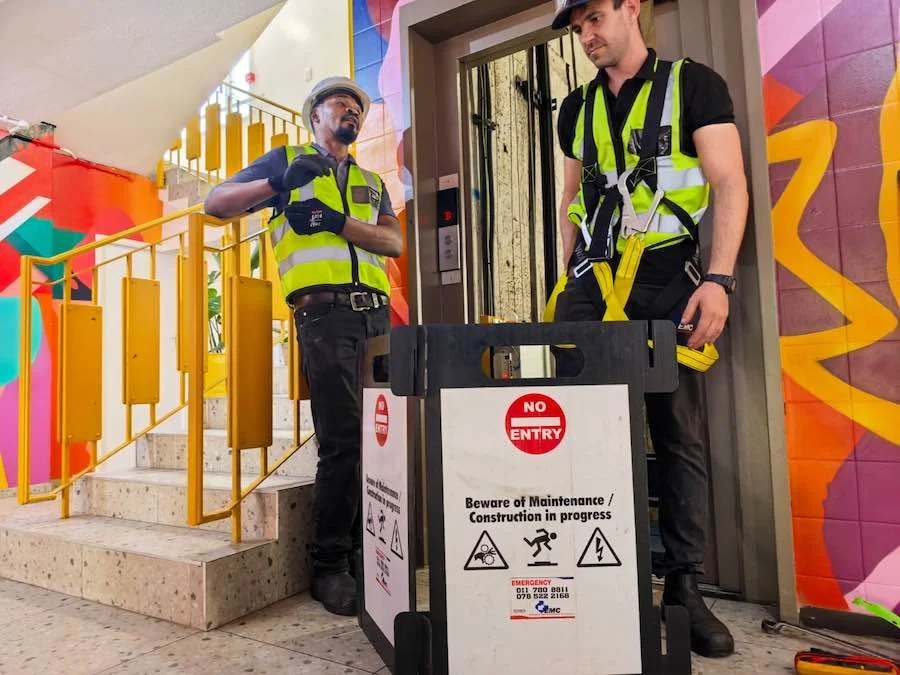
Lift Repairs in South Africa: When to Call the Experts and Where to Find Reliable Lift Contact Details. A lift is one of the hardest-working systems in any building. Every day, it transports people, goods, and equipment safely between floors. However, constant use eventually leads to wear and tear. Components age, electrical systems require attention, and moving parts need regular servicing.
When problems occur, lift repairs should never be delayed. Acting quickly helps prevent costly breakdowns, improves passenger safety, and reduces downtime. At the same time, having reliable lift contact details readily available allows building owners and facility managers to respond quickly when repairs are needed.
Whether you manage a commercial building, residential complex, hospital, hotel, or shopping centre, understanding when to arrange repairs and who to contact is essential.
Why Prompt Lift Repairs Matter
Small lift problems rarely fix themselves. Instead, they usually become larger and more expensive over time.
Professional lift repairs help to:
- Improve passenger safety
- Reduce unexpected breakdowns
- Extend the lifespan of the lift
- Minimise business interruptions
- Reduce emergency repair costs
- Maintain compliance with safety regulations
Consequently, routine inspections and prompt repairs protect both the equipment and the people who use it every day.
Common Signs Your Lift Needs Repairs
Most lifts provide warning signs before a complete failure occurs.
Look out for:
- Slow door opening or closing
- Jerky movement between floors
- Unusual noises
- Lift stopping above or below floor level
- Delayed response times
- Frequent fault messages
- Sudden shutdowns
- Increased vibration during travel
If you notice any of these issues, contact a professional lift repair company immediately. Early intervention often prevents more extensive damage.
What Causes Lift Breakdowns?
Several factors contribute to lift failures.
The most common causes include:
- Worn mechanical components
- Electrical faults
- Faulty door operators
- Damaged control systems
- Brake wear
- Ageing motors
- Poor maintenance
- Heavy daily usage
Fortunately, most of these problems can be identified during routine maintenance before they become serious.
The Difference Between Lift Repairs and Lift Maintenance
Although many people use the terms interchangeably, lift repairs and lift maintenance are not the same.
Lift maintenance focuses on preventing problems through scheduled inspections and servicing.
Lift repairs restore the lift after a fault has already developed.
The most effective strategy combines both services. Regular maintenance reduces the likelihood of unexpected repairs while improving long-term reliability.
Why Reliable Lift Contact Details Are Essential
Every building should have quick access to professional lift contact details.
When a lift stops working, every minute counts. Delayed repairs can inconvenience tenants, disrupt business operations, and create safety concerns.
Keeping your lift service provider's contact information readily available allows you to:
- Report faults immediately
- Arrange emergency repairs
- Schedule routine servicing
- Request technical support
- Organise inspections
- Obtain maintenance advice
Building managers should ensure that lift contact details are easily accessible to maintenance teams, reception staff, security personnel, and facilities managers.
Choosing a Lift Repair Company
Not all lift companies offer the same level of service. Therefore, choosing the right provider is essential.
Look for a company that offers:
- Qualified lift technicians
- Experience with multiple lift brands
- Preventative maintenance programmes
- Fast emergency response
- Genuine replacement parts
- Comprehensive inspection reports
- Ongoing technical support
Furthermore, a reliable company should provide clear lift contact details, making it easy to request assistance whenever required.
Emergency Lift Repairs
Emergency situations require immediate attention.
Professional emergency lift repair services help restore safe operation as quickly as possible.
Emergency support is particularly important for:
- Hospitals
- Shopping centres
- Office buildings
- Apartment complexes
- Hotels
- Industrial facilities
Fast response times reduce disruption while protecting building occupants.
The Benefits of Preventative Maintenance
Preventative maintenance remains the most effective way to reduce future lift repairs.
Routine servicing helps technicians:
- Inspect motors and drive systems
- Test emergency brakes
- Check lift doors and safety sensors
- Lubricate moving components
- Monitor system performance
- Identify worn parts early
As a result, lifts remain safer, more reliable, and more energy efficient.
Keep Your Lift Contact Details Up to Date
Many building owners only search for lift contact details after a breakdown occurs.
Instead, keep your service provider's details readily available before an emergency happens.
Your records should include:
- Emergency telephone numbers
- Office contact details
- Email addresses
- Service contract information
- Maintenance schedules
- After-hours support numbers
Being prepared helps minimise downtime and ensures quicker response times.
Why Professional Lift Repairs Protect Your Investment
A lift represents a significant investment. Proper care helps maximise its lifespan and performance.
Professional repairs:
- Protect expensive components
- Improve passenger confidence
- Reduce operating costs
- Extend equipment life
- Improve building reliability
- Support compliance with safety standards
Therefore, investing in professional lift repairs is always more cost-effective than waiting for major failures.
Conclusion
Professional lift repairs are essential for maintaining safe, reliable, and efficient lift systems. By recognising early warning signs, scheduling routine maintenance, and acting quickly when faults develop, building owners can reduce downtime and avoid costly repairs.
Equally important is keeping reliable lift contact details close at hand. Quick access to an experienced lift repair company ensures faster response times, improved passenger safety, and greater peace of mind.
Whether you manage one lift or an entire portfolio of buildings, partnering with a trusted lift maintenance provider is the best way to protect your investment and keep your lifts operating smoothly for years to come.
